



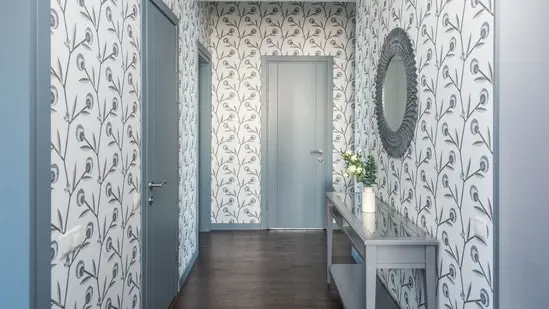
Wallpaper lends texture, interest, character – none of which painting can offer. However, in most Indian homes, certain errors keep recurring. Not in terms of choosing the wrong wallpaper, but in other decisions made before and after its application.
In an interview with HT Lifestyle, Sidd Panda, co-founder and CEO of Magic Decor, shared wallpaper mistakes that can make your room feel cramped and how to fix them. Also read | Modern home interiors are about how they feel, not just how the look: Artist breaks down this viral decor trend of 2026
1. Using wallpaper all around
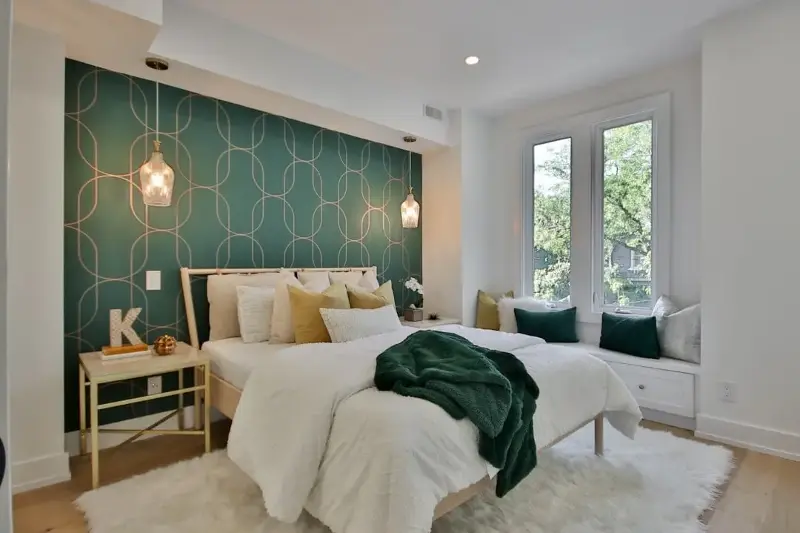
This is the most common error and the one that makes the most immediate visual impact. “Using the same wallpaper pattern throughout will leave you with a room design that lacks breathing space,” said Sidd. Having a single wallpaper feature wall is generally a much better idea, as it helps create focus and gives the entire room space to grow around it. In wallpaper, less is often more.
2. Disregarding pattern direction
According to Sidd, a horizontal pattern widens a room while a vertical one adds height. Most people tend to ignore this when choosing wallpaper designs, but it is one of the biggest advantages of using wallpaper. If your ceilings are very low, then you will benefit immensely from adding wallpaper with a vertical stripe. A small room, in turn, should feature horizontal stripes.
3. Failure to test samples in the lighting of your room
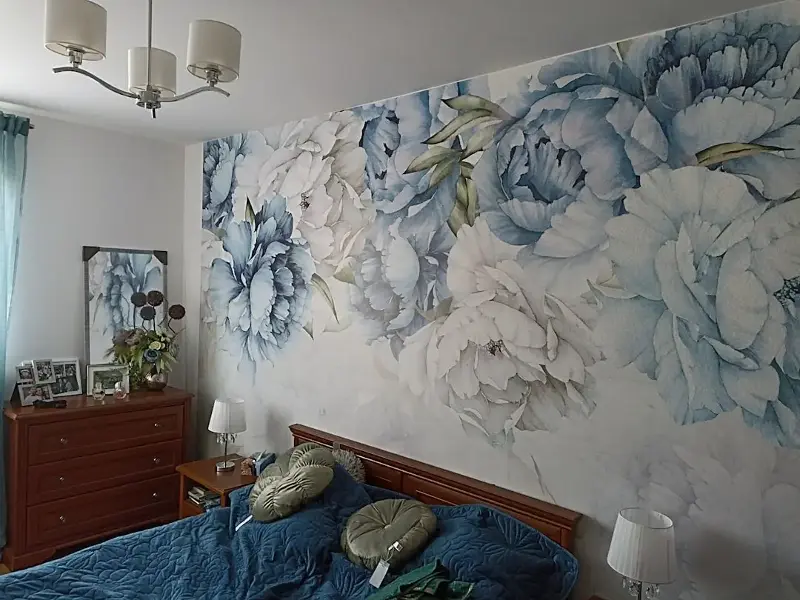
A wallpaper that appears light on a screen might look dark when it's on the wall. “The lighting conditions in the room and whether it's a southern or northern wall make a huge difference in determining how colours will be viewed,” said Sidd. He recommends getting a physical sample and testing how it looks when hung up on your wall for a day before deciding. Wallpaper that absorbs light in a room that doesn't have enough of it will always make the space feel smaller.
4. Not ordering samples before committing
This is the step everyone forgets about, and it's also the one everyone regrets later. That warm-looking texture of your wallpaper on your screen will look flat and lifeless against the actual lighting conditions inside your home. Colours change immensely from morning sun to artificial lights in the evening, and even depending on whether it faces the north or the south side of your house. Make sure you get yourself a real sample first.
5. Measuring incorrectly and under-ordering
Measurement mistakes are one of the most frequent problems when decorating your walls with wallpaper. According to Sidd, people usually overlook adding the additional 10 percent for waste, pattern match, and door or window measurements.
The consequences of running out of material while wallpapering can be very grave, especially if it’s a custom wallpaper and an exact replica cannot be ordered later. Always take precise measurements and measure each and every wall before purchasing any wallpaper.
6. Skipping professional installation
Peel-and-stick wallpapers are meant for DIY (do-it-yourself) work. Traditional wallpapers, especially those with complex designs, big panels, and textures, cannot be. Once the wallpaper becomes dry, it can no longer be adjusted due to misalignments, air pockets, or pattern errors. Sidd highlighted that a professional decorator will ensure that the wall surface is well-prepared, having been properly sanded, cleaned, and primed. The effort you spend on finding your design should be equally matched when putting it up.