


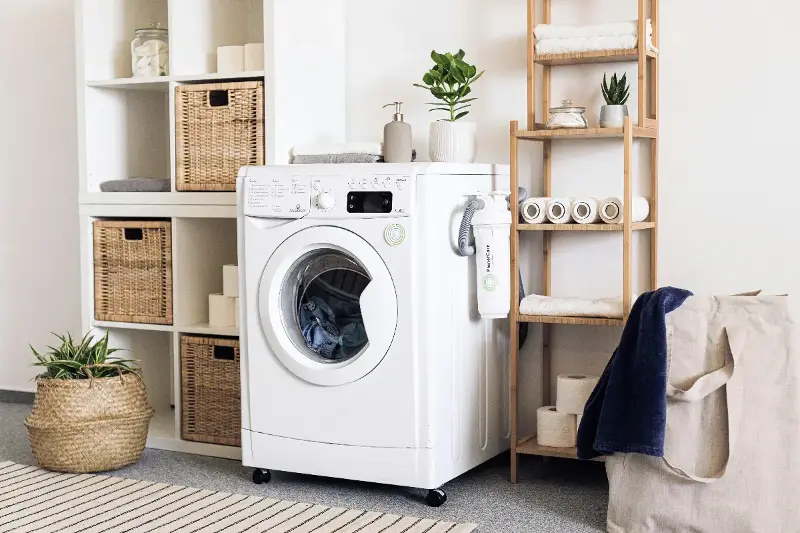
It’s laundry day and, suddenly, your washing machine sounds like a wild dance party, shaking and vibrating across the floor. Not only is this noise incredibly distracting, but persistent movement can also spell trouble for the longevity of your appliance and your flooring. Thankfully, conquering an out-of-control washing machine does not require professional skills or expensive service calls. With a few simple DIY strategies, you can restore quiet to your home and protect your machine for years to come.
WHY WASHING MACHINES SHAKE: THE USUAL SUSPECTS
That aggressive thumping is rarely just a quirk of your washer’s personality. Most vibration and movement stem from a few common, easily identifiable factors:
- Load Imbalance: Overloading the drum prevents clothes from distributing evenly, while underloading—especially with heavy items like towels or jeans—creates significant shifts during the spin cycle.
- Uneven Surfaces: Machines are engineered to operate on perfectly level ground. If your floor is slanted or bumpy, the unit will inevitably wobble.
- Improper Leveling: Those adjustable feet underneath the machine may be set to different heights, preventing the unit from sitting flush against the floor.
- Transit Hardware: New washers arrive with internal shipping bolts to protect internal parts during delivery. If these are not removed before the first use, the machine will vibrate fiercely.
- Worn Components: As a machine ages, internal elements like shock absorbers or suspension springs can lose their ability to stabilize the spinning drum.
QUICK FIXES: GETTING BACK TO BALANCE
The good news is that most vibration issues are a cinch to resolve. Start by evaluating your laundry habits and basic setup:
- Master the Load: Balance your wash by mixing small and large items. Avoid washing heavy items alone; adding a few smaller garments can help keep the drum weight evenly distributed.
- Manual Redistribution: If the machine begins to shake mid-cycle, pause the operation. Open the door and redistribute the items, ensuring heavy fabrics are spread evenly around the agitator.
- Check the Level: Use a level tool across the top panel to ensure the machine is perfectly horizontal. Twist the adjustable legs until the bubble sits squarely in the center. If you do not own a level, a mobile app can serve as a handy alternative.
- Add Cushioning: Place anti-vibration pads or thick rubber mats beneath each corner. These inexpensive accessories are particularly effective on tile or hardwood floors, absorbing excess noise and movement.

WHEN DIY MEETS DESIGN: DIGGING A LITTLE DEEPER
If your quick fixes do not resolve the issue, a deeper look is required:
- Verify Shipping Bolts: If your machine is new, double-check that those thick metal transit rods have been removed. Operating the unit with them in place creates severe internal strain.
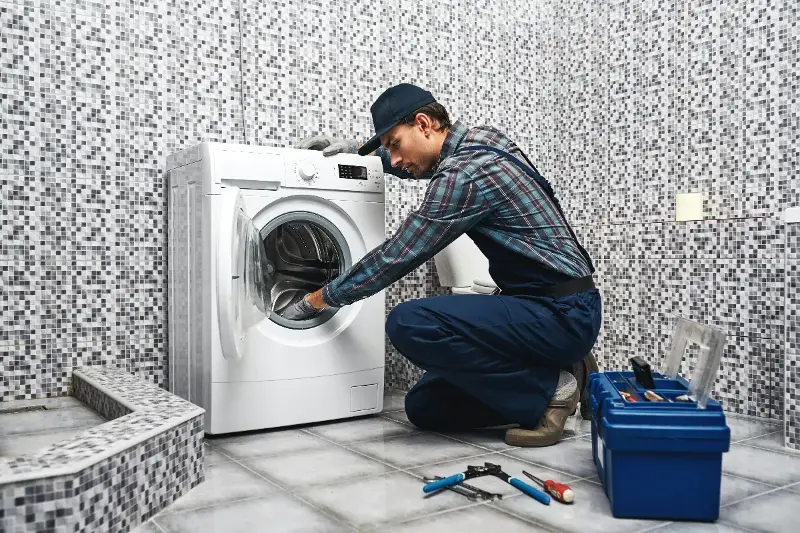
- Inspect Internal Parts: For older machines, check the shock absorbers or suspension rods. If you hear persistent, heavy banging, these parts may have fatigued. They are often replaceable, and many manufacturers provide online video guides to assist with the process.
- Create Clearance: In tight laundry rooms, ensure the machine is not touching walls or cabinetry. Adding thin foam pads between the unit and surrounding structures can significantly dampen noise.

SMART TIPS FOR A SMOOTHER CYCLE
Small changes in maintenance can lead to big improvements in performance:
- Use Proper Detergents: Always use high-efficiency products as recommended by the manufacturer. Excessive suds can cause the drum to jerk and lose balance.
- Keep it Clean: Regularly clean the drum and the area beneath the machine. Preventing lint and debris build-up ensures the weight remains balanced during high-speed rotations.
- Mind the Move: If you relocate your washer, always re-install the transit bolts to protect the internal suspension during transport.
THE TAKEAWAY: PEACEFUL LAUNDRY AWAITS
A vibrating washer does not have to disrupt your household tranquility. Most challenges are solved through simple adjustments—balancing loads, ensuring the unit is level, and utilizing protective pads. By addressing these factors proactively, you will not only maintain a smooth, quiet laundry routine but also potentially avoid costly repairs. Tackling these tasks yourself ensures that your only laundry day surprise is finding that long-lost sock, rather than being startled by a dancing appliance.