



New electric cars are cheaper to buy than petrol models for the first time.
The average battery-powered car is now £785 cheaper than petrol counterparts, thanks to the reintroduction of government grants and price discounts from electric vehicle (EV) manufacturers, according to data from car site Autotrader.
The average new electric car now costs £42,620 compared with £43,405 for a new petrol model.
Carmakers have been cutting list prices in a desperate push to achieve Labour’s green-emission sales targets and make models eligible for taxpayer-funded subsidies.
The Government’s £650m Electric Car Grant scheme applies to new vehicles with a list price of £37,000 or less. Manufacturers can receive either £3,750 or £1,500 in support depending on the model’s green credentials, and the sum is passed on to the consumer as a discount. Some 47 models are eligible for the scheme.
Labour wants 33pc of new car sales to be electric this year under its zero-emission vehicle (ZEV) mandate, but it is lagging behind target.
EVs accounted for 22pc of the new car market between January and March, compared to 21pc over the same period last year.
The number of EV registrations hit 86,120 in March, according to the Society of Motor Manufacturers and Traders (SMMT), up from 69,313 a year earlier.
Colin Walker, of the Energy and Climate Intelligence Unit, said electric cars becoming cheaper than petrol models marked a “major moment” in the shift to net zero.
Bex Kennett, of Autotrader, said: “The electric car market is becoming increasingly competitive, and despite the challenges created by the ZEV mandate, manufacturers and retailers have worked hard to improve both the supply and affordability of new electric vehicles.”
The Government launched a widespread marketing campaign in January to boost EV demand. Adverts claimed there had “never been a better time to switch”.
However, last month a cross-party group of MPs – including nine from Labour – warned that the Government’s “mixed messaging” on battery-powered cars had created uncertainty.
They argued that Rachel Reeves’s plan to introduce a 3p-per-mile EV tax from 2028 had already damaged the incentive to switch.
SMMT, which represents carmakers, said last week that demand for electric cars was getting “further away” from Government targets despite “record levels of incentives”.
Drivers remain concerned by rapid depreciation of EVs and a lack of charging infrastructure away from urban areas.
Shell previously told the Government it needed to introduce new incentives “urgently” to increase sales. The oil giant said a range of “perks” for electric car owners should be considered, including giving EVs access to bus lanes and free parking.
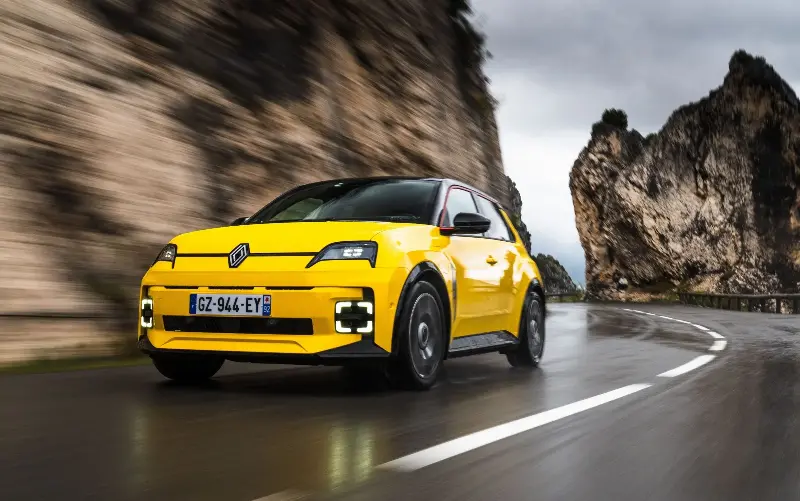
The new Renault 5 topped Autotrader’s charts as the most in-demand EV this month. The hatchback was followed in popularity by the Jaecoo 5 and MG S5.
The company said that while Chinese EV models continued to make headway with consumers, demand for EVs lags behind internal combustion. The Volkswagen Golf – available as petrol, diesel and hybrid – was the most searched-for new car on the site for the third consecutive month.