



Broccoli has long been considered a healthy vegetable due to its high content of vitamins, fiber, and antioxidants.
However, not all cooking methods preserve the full nutritional value of food. In fact, studies show that the same food can have its nutrients significantly reduced if cooked incorrectly. This is especially true for broccoli, where some beneficial compounds are easily destroyed by high temperatures or prolonged cooking times, according to the health website Verywell Health .
Overcooking reduces nutrients.
According to Stephanie Johnson, a nutritionist in the US, cooking broccoli for too long reduces its nutrients, including sulforaphane.
Accordingly, the cooking process of broccoli can inhibit the enzyme myrosinase, which is necessary for the production of sulforaphane. When cooked at high temperatures or for extended periods, the amount of sulforaphane is significantly reduced.
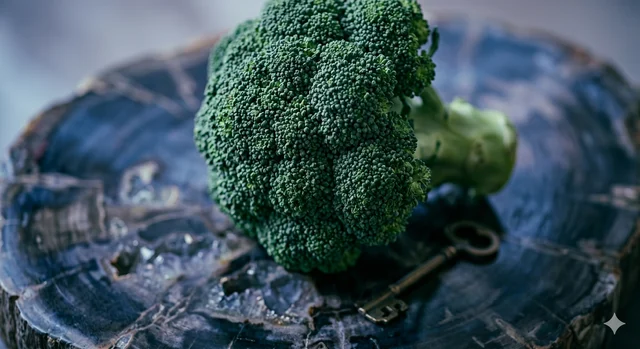
The method of preparation helps retain the most benefits.
A study published in the Journal of Agricultural and Food Chemistry also showed that pre-chopping and lightly stir-frying can help retain more sulforaphane, an important antioxidant.
Briefly stir-frying broccoli helps maintain enzyme activity. As a result, the amount of sulforaphane in the dish is higher.
Additionally, cutting the broccoli into small pieces about 90 minutes before stir-frying helps achieve the best results.
Chopping broccoli helps activate the enzyme myrosinase, which converts the compound glucoraphanin into sulforaphane before high temperatures inactivate this enzyme.
What are the benefits of sulforaphane?
Sulforaphane is a naturally occurring compound found in vegetables such as broccoli, cauliflower, and kale. It has antioxidant and anti-inflammatory properties.
Ms. Johnson explained that sulforaphane helps the body produce antioxidant enzymes. These enzymes neutralize free radicals and protect cells from damage. This substance also supports cancer prevention by inhibiting the growth of abnormal cells, reducing inflammation, and decreasing oxidative stress.
Sulforaphane also supports liver detoxification, helps stabilize blood pressure, and thus protects the cardiovascular system.
Broccoli is still good no matter how it's prepared.
Broccoli provides many vitamins and minerals such as vitamins C, K, A, potassium, magnesium, calcium, and iron.
This food is rich in fiber, supports digestion, and contains many antioxidants such as sulforaphane, lutein, and zeaxanthin.
According to Ms. Johnson, broccoli has always been a low-calorie, high-fiber food, suitable for a healthy diet.
Changing the way you prepare it can increase nutritional benefits, but there's no need to be overly strict. Eating broccoli in any form is still good for your health. Eating it raw or lightly cooked often helps retain more nutrients.